
Self-Service Kiosks: What the Research Means for Your Venue
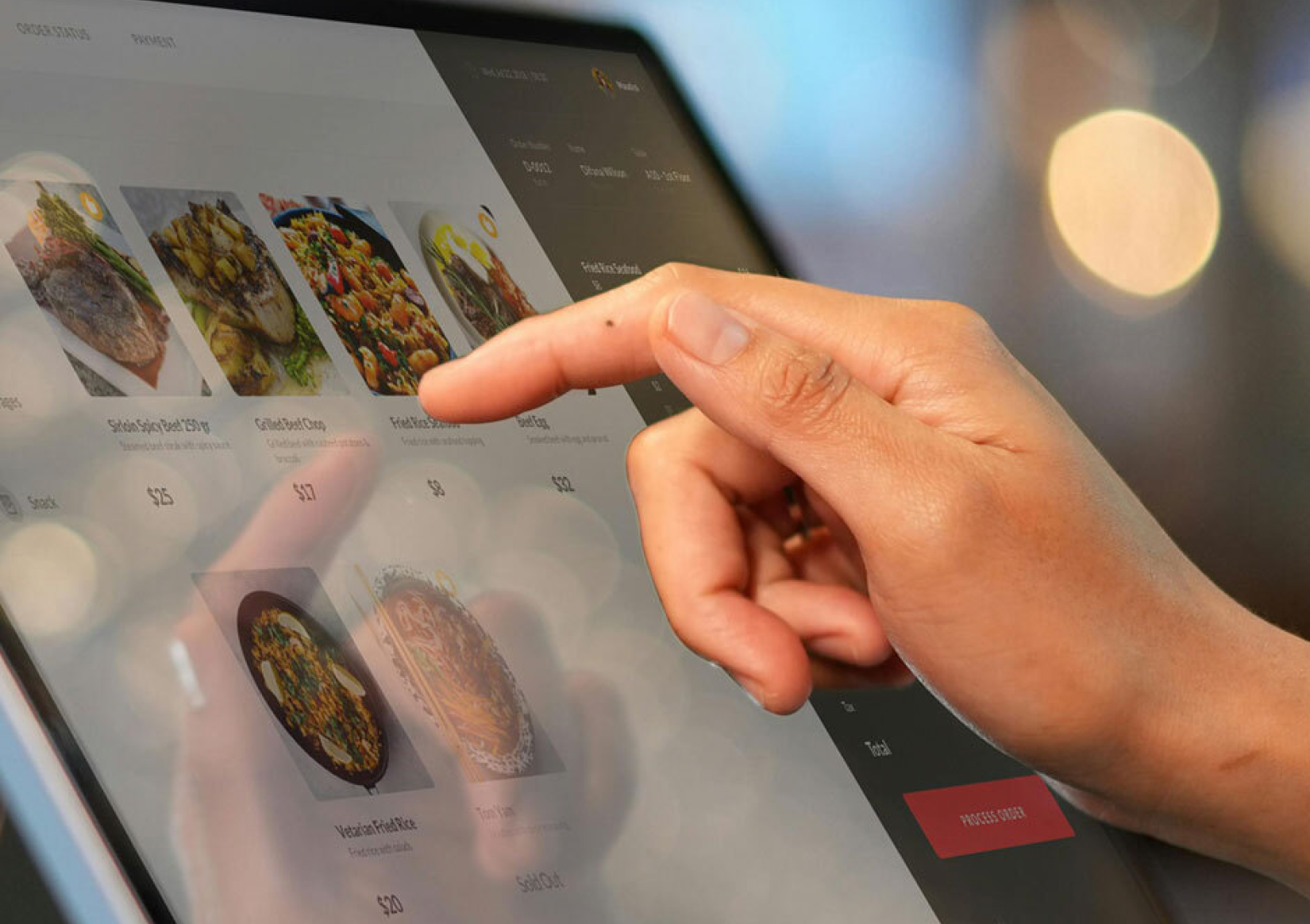
Kiosks are no longer just for the big burger chains. A self-service kiosk is a touchscreen in your venue where customers order and pay for themselves. The research on them is getting clearer, and it is more mixed than the sales pitch. A kiosk can lift order size and take pressure off your counter. It is also not the right fit for every venue. Here is what the latest findings mean for a Kiwi venue.
Do customers like ordering at a kiosk?
Increasingly, yes. In a 2025 survey of 1,500 US fast casual and quick service customers, kiosk software vendor Tillster found 61% of users want more kiosks in restaurants, up from 57% in 2024 and 36% in 2023. The same vendor survey found 76% of kiosk users had at times bought more than they intended, as reported by Restaurant Dive.
Part of the reason is time. At a kiosk, customers browse at their own pace and see every option. A small 2019 study published by AUT interviewed 16 young McDonald’s customers in Auckland. They said kiosks gave them a judgement-free space to decide. That mattered a lot to those who speak English as a second language.
A kiosk is one way to let people order on their own terms. For a local view on how diners here prefer to order takeaway, see our look at how Kiwis want to order.
The labour question
Wages weigh heavily on every venue. The Restaurant Association reported in October 2025 that labour costs average 40 per cent, the highest on record, even as annual sales hit a record $15.99 billion in the year to June 2025.
A kiosk will not make coffee or clear tables. What it can do is take order-taking off your team at peak. That frees the person on the till to help on the pass or the coffee machine. Our view is that a kiosk earns its place by moving staff to better work, not by cutting them.
Is a self-service kiosk right for your venue?
A kiosk suits a busy counter-service venue where customers choose from a menu with lots of options, such as a fast casual spot at lunch. It is usually the wrong fit if your regulars come in for a chat with the barista. Table service restaurants and bars where people order over the bar rarely need one.
Be honest about your venue. A screen can take away the conversation that brings your regulars in. The same AUT study found that kiosks can reduce how hospitable a venue feels.
A kiosk suits made-to-order menus best. When customers build their own meal, they work through each choice at their own pace instead of reading it out to a busy staff member. A kiosk also handles dine in as well as takeaway. Customers add their table or beeper number, so your team can bring food to the right place.
Getting it right
Kiosks work best where a busy rush meets a menu with lots of choice. If that sounds like your lunch service, put your menu boards where people wait, so they know what they want before they reach the screen.
Pair the kiosk with online click and collect. Your regulars order ahead and skip the queue entirely, which leaves the kiosk free for walk-ins.
How Appropo helps
Appropo Kiosk runs on the same menus as your online ordering, so there is nothing extra to maintain. Orders flow into your POS, and customers add their name for takeaway or their table or beeper number for dine in. Pita Pit uses it to let customers build their own pita without waiting for a staff member to be free.
Get in touch if you would like an honest view on whether a kiosk suits your venue.